
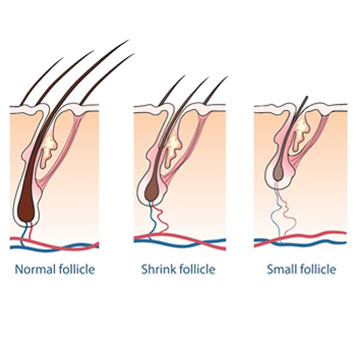
A hair transplant takes time to show its full results. After surgery, the scalp needs to heal before new hair growth becomes noticeable. Understanding the hair transplant results timeline can help you prepare for each stage, from initial shedding to fuller hair growth.
For people considering a hair transplant in Kuala Lumpur or elsewhere in Malaysia, it is important to have realistic expectations. Some patients notice early growth within a few months, while others need longer to see visible changes. The outcome also depends on factors such as donor hair quality, the extent of hair loss and individual healing.
This guide explains what typically happens during the first year after a hair transplant, why transplanted hair may shed, and which hair loss treatment options may be worth discussing with a qualified clinician.
Quick Summary: Hair Transplant Results Timeline
- First month: The scalp begins healing, and transplanted hairs may shed.
- Three to four months: Early new hair growth may begin to appear.
- Six months: Growth may become more noticeable, although density is still developing.
- Six to nine months: Many patients begin seeing more visible improvements in coverage and thickness.
- Twelve months and beyond: Hair continues to mature, and some patients may need 10–18 months to see the full result.
These are general milestones rather than guaranteed deadlines. Your treating clinician can explain what is realistic for your individual situation.
What to Expect After a Hair Transplant
1. Hair Transplant Results After 1 Month
During the first month, your scalp is recovering from the procedure. Mild redness, small scabs and temporary discomfort may occur around the treated areas as the skin heals.
You may also notice transplanted hairs falling out during the first few weeks. This is a common part of recovery and does not necessarily mean the procedure has failed. The visible hair shafts can shed while the follicles remain in place.
Follow your surgeon’s aftercare instructions carefully. Avoid scratching the scalp or disturbing the grafts, especially during the early healing period.
At this stage, it is too early to judge the final hair transplant results. The main priority is allowing your scalp to heal properly.
2. Hair Transplant Results After 3 Months
By the third month, the initial healing period has generally progressed, but the transplanted area may still look thin. Some patients begin noticing early regrowth, while others see little visible change.
New hairs may initially appear fine, soft or uneven. This does not necessarily indicate a poor outcome, as growth can develop at different rates across the scalp.
Try not to compare your progress directly with other patients’ photographs. Hair type, lighting, styling and the amount of time since surgery can all affect how results appear.
If you are concerned about persistent shedding or changes in your scalp, discuss them with your treating clinician.
3. Hair Transplant Results After 6 Months
Around six months, many patients begin noticing more visible changes in the treated area. New hairs may become longer and thicker, helping to improve the appearance of coverage.
Growth is not always uniform. The hairline, mid-scalp and crown may develop at different rates, so one area can appear fuller before another.
Although progress may be easier to see at this stage, the result is not necessarily final. Hair can continue to mature over the following months.
Continue attending recommended follow-up appointments so your clinician can review your progress and address any concerns.
4. Hair Transplant Results After 12 Months
By twelve months, many patients have a clearer picture of their overall outcome. The transplanted hair may have gained length and thickness, making the treated area look fuller than it did during the early stages.
However, some patients continue to see changes beyond the first year. The crown may take longer to mature, and the full result can sometimes take 10–18 months to become apparent.
The final appearance depends on several factors, including the number and quality of grafts, donor hair characteristics, the area treated and any ongoing hair loss.
A follow-up assessment can help your clinician evaluate the outcome and discuss whether any further management may be appropriate.
Why Does Transplanted Hair Fall Out After Surgery?
Temporary shedding can be worrying, particularly when the transplanted area looks thinner than expected. After surgery, the visible hair shafts commonly shed within the first few weeks.
This is often called post-transplant shedding. In many cases, the follicles remain in place and can produce new hair later. The transplanted area may therefore look similar to, or temporarily thinner than, it did before the procedure.
Shedding alone does not confirm that a transplant has failed. However, if you experience worsening pain, increasing redness, unusual discharge or other concerning symptoms, contact your treating clinic for advice.
Your surgeon can explain which changes are expected during recovery and whether your scalp needs further assessment.
What Affects Hair Transplant Results?
The hair transplant results timeline varies from person to person. Several factors can affect how quickly growth becomes visible and how full the final result appears.
Hair characteristics: Hair thickness, colour, curl pattern and the contrast between hair and scalp can influence the appearance of density.
Donor hair quality: The availability and characteristics of suitable donor follicles affect how much coverage may be possible.
Extent of hair loss: The size and location of the thinning area influence treatment planning and the expected appearance.
Surgical planning: Hairline design, graft placement and the treatment approach can affect the overall result.
Healing and aftercare: Individual healing varies. Following your surgeon’s instructions helps protect the treated area during recovery.
Ongoing hair loss: A transplant moves hair follicles to selected areas but does not stop hair loss in untreated areas. Your clinician may discuss ways to manage continued thinning.
These factors should be considered together when setting expectations. A qualified medical professional can assess your situation and explain the likely benefits and limitations of treatment.
Hair Loss Treatment Malaysia: What Are the Options?
A hair transplant is not the only option for people experiencing thinning hair. The appropriate hair loss treatment depends on the cause of hair loss, its progression and your individual circumstances.
A medical assessment can help identify the type of hair loss and determine which options may be suitable. Depending on the diagnosis, treatment may involve medication, monitoring, a surgical procedure or selected non-surgical approaches.
Hair Loss Treatment
Some treatments aim to slow further hair loss, while others may help support regrowth in suitable patients. Recommendations should be based on your medical history and the cause of your hair loss. Not every treatment is appropriate for everyone.
If you are researching hair loss treatment in Malaysia, ask a qualified clinician about the available options, expected benefits, limitations and possible side effects.
Read more about hair loss treatment options.
FUE Hair Transplant
Follicular Unit Extraction (FUE) is a hair transplant technique in which individual follicular units are extracted from a donor area and placed into areas affected by hair loss.
Whether FUE is suitable depends on factors such as donor hair availability, the extent of thinning and your treatment goals. A consultation can help determine whether this procedure is appropriate for your needs.
Learn more about FUE hair transplant.
Regenera Activa
Regenera Activa is a regenerative treatment option that may be discussed with some patients experiencing hair thinning. Its suitability and potential benefits depend on the individual’s condition, and outcomes can vary.
It is different from a surgical hair transplant and should not be presented as a guaranteed replacement for one. A clinician can explain the available evidence, limitations and whether this option may be appropriate for you.
Explore the Regenera Activa treatment page for more information.
How to Choose a Hair Transplant Clinic in Malaysia
When comparing a hair transplant clinic in Malaysia, look beyond promotional claims and before-and-after photographs. It is important to understand who will perform or oversee your treatment, what the procedure involves and what results may realistically be expected.
Consider these points before making a decision:
- Medical qualifications: Check the qualifications and relevant experience of the professional responsible for your treatment.
- Individual assessment: Your treatment plan should consider your hair loss pattern, donor area and long-term needs.
- Clear information: Ask about the procedure, recovery, potential complications and aftercare.
- Realistic expectations: Be cautious of claims promising guaranteed growth or a specific result within a fixed period.
- Follow-up care: Find out how your recovery and hair growth will be monitored after treatment.
If you are considering a hair transplant in Kuala Lumpur, a consultation gives you an opportunity to discuss your concerns, understand the available options and determine whether treatment is suitable for your situation.
Visit Hair-Transplant.Clinic to learn more about the clinic and its services.
How to Track Your Hair Transplant Progress
Hair growth can be difficult to judge when you check your scalp every day. Taking photographs at regular intervals can make gradual changes easier to recognise.
For more useful comparisons, take photographs from the same angles and under similar lighting conditions. Keep your hair length and styling as consistent as possible.
You may wish to take photographs at one, three, six, nine and twelve months. If genuine progress photographs are available, they can also help you discuss changes with your treating clinician. Any patient photographs published by a clinic should be authentic, accurately labelled and shared with appropriate consent.
Photographs can help track visible changes, but they cannot replace a clinical assessment.
Frequently Asked Questions
1. How long does it take to see hair transplant results?
Some patients notice early new growth around three to four months. More visible changes often develop between six and nine months, while the full result may take 10–18 months.
2. Is it normal for transplanted hair to fall out after one month?
Yes. Transplanted hair commonly sheds during the first few weeks after surgery. The follicles may remain in place and produce new hair later. Follow your surgeon’s aftercare advice if you have concerns.
3. Will my hair transplant results look natural?
The appearance depends on factors such as hairline design, graft placement, donor hair characteristics and surgical planning. A qualified surgeon can discuss the likely outcome and limitations for your situation.
4. Can hair loss continue after a hair transplant?
Yes. A transplant does not prevent ongoing hair loss in untreated areas. Your clinician may discuss suitable options for managing further thinning.
5. Is a hair transplant suitable for everyone?
No. Suitability depends on the cause and pattern of hair loss, donor hair availability, general health and individual expectations. A medical assessment is needed before deciding on treatment.
6. What hair loss treatment options are available in Malaysia?
Options may include medical treatments, FUE hair transplantation and selected non-surgical treatments such as Regenera Activa. The appropriate option depends on the cause of hair loss and an individual’s clinical assessment.
7. When should I evaluate my final hair transplant results?
Twelve months is an important milestone for assessing progress, but some patients continue to develop fuller results for 10–18 months. Your treating clinician can advise when your outcome should be reviewed.
Discuss Your Hair Restoration Options
Hair transplant results develop gradually. Understanding each stage can help you set realistic expectations, from initial healing and temporary shedding to new growth and fuller coverage.
If you are considering a hair transplant in Malaysia, Hair-Transplant.Clinic can help you explore available options and understand the factors involved in treatment planning.
Contact Hair-Transplant.Clinic to enquire about a consultation and discuss your hair restoration concerns.